



The microbiome in QFS and other Post-Acute Infectious Syndromes (PAIS)
In short
In patients with Post-Acute Infectious Syndromes (PAIS), such as Q fever fatigue syndrome (QFS), ME/CFS, and long COVID, consistent gut microbiome dysbiosis is observed. In a pilot project involving 85 QFS patients (with an average symptom duration of 16 years), personalized microbiome therapy led to an improvement in overall well-being in nearly 50% of participants, with 1 in 7 experiencing a marked improvement. Similar results are seen in other PAIS patients. These promising outcomes have prompted the Microbiome Center to place additional focus on PAIS in both research and clinical practice in the coming months.
The microbiome in QFS and other Post-Acute Infectious Syndromes (PAIS)
Several forms of Post-Acute Infectious Syndromes (PAIS) are known, including for example ME/CFS, Long-covid, post-treatment Lyme disease syndrome (PTLDS), post-Pfeiffer fatigue syndrome (post-EBV), post-infection IBS, and Q-fever fatigue syndrome (QFS). These forms of PAIS are all characterized by chronic fatigue, post exertional malaise, neurocognitive problems like brain-fog, flu-like symptoms, joint pain, IBS, and a variety of other symptoms (1).
Interestingly, scientific studies have found gut microbiome dysbiosis in all these different forms of PAIS (1), and it is speculated that dysbiosis may be the underlying factor in all PAIS forms. Mechanisms that are thought to play a role are persistent infection (with the gut as a reservoir of the pathogen), systemic and brain inflammation, co-infections (i.e. pathogen overgrowth in the gut), and disturbed microbiome functions such as reduced butyrate and neurotransmitter production (1).
Q-fever fatigue syndrome (QFS) and personalized microbiome treatment
Q-fever is caused by an infection with the bacterium Coxiella burnetii (a zoonosis). The largest outbreak of Q-fever ever recorded occurred in The Netherlands in 2007-2010 and many patients developed Q-fever fatigue syndrome (QFS). QFS is a form of PAIS and gut dysbiosis has been found in QFS too. In fact, the theory of the gut microbiome being the common factor in all PAIS forms is illustrated by a study that showed that both ME/CFS and QFS both have the same kind of dysbiosis and the same difference compared to healthy individuals (2).
A government-led support group called Q-support recognized that the prevalence of IBS is much higher in QFS patients. Combined with the knowledge about the microbiome as factor in QFS, this was reason to initiate a pilot project together with Microbiome Center. In 2024 a total of 85 QFS patients were treated with lifestyle and diet interventions, combined with personalized microbiome treatment. On average, these patients had been ill for 16 (!) years.
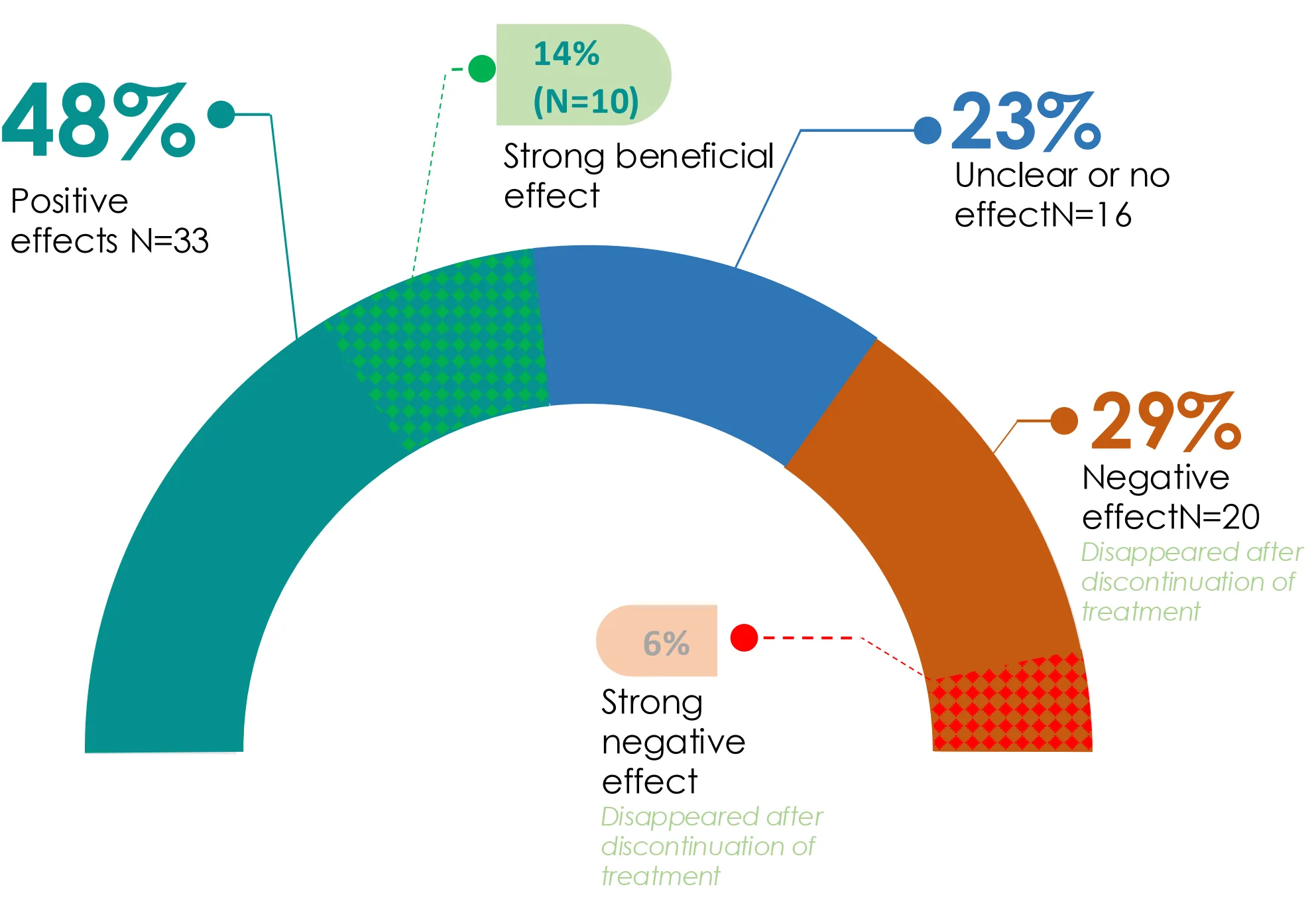
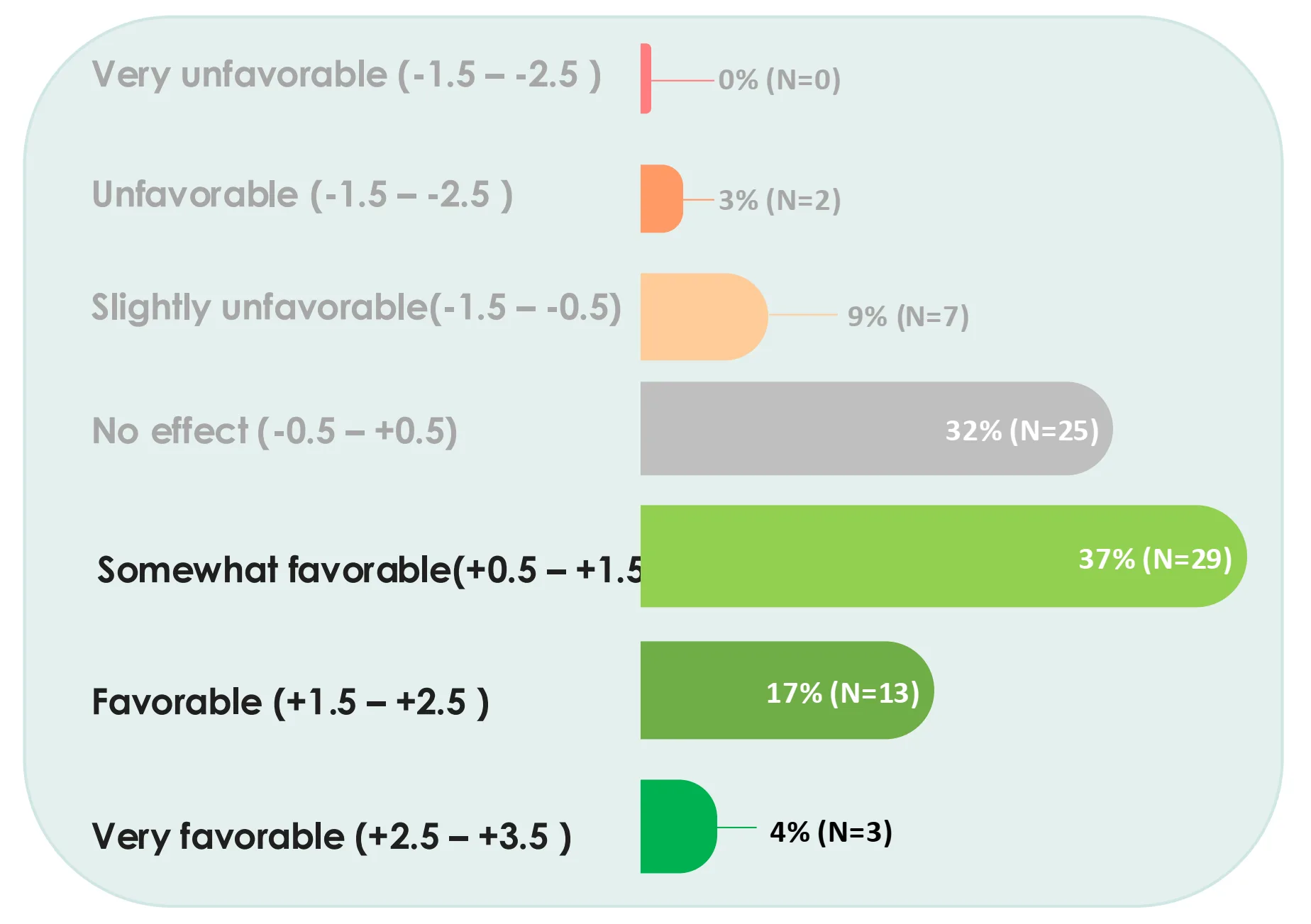
The project showed that many patients were happy with the treatment. After conclusion of the pilot project, a post-hoc analysis of the medical complaints and overall wellbeing scores was conducted on data of 69 patients. These scores were recorded every three weeks on the Microbiome Center platform, showing the value of the ‘course of complaints’ tool. Almost 50% of the patients showed improvement of their overall wellbeing, and one in seven patients reported a large improvement. Some people literally said that they had their life back. Similarly, 57% of the patients reported improvement of the composite scores of all of their complaints. As expected, not all patients improved and some reported some negative effects, but fortunately (and as expected) it was found that this disappeared after stopping the treatment.
With an average of 16 years illness and patients that have tried all kinds of treatments, a positive response in almost half of the patients can be considered a huge success.
Microbiome Center has made PAIS a theme for the forthcoming months
Because of these positive results, we have analyzed the anonymized data of all patients that have given their consent and filled out the medical complaints during their treatment with MyOwnBlend. In total, 82 patients reported in a comment to suffer from one or more PAIS forms. The most reported PAIS forms are ME/CFS and long-Covid. In the data of these PAIS patients, we see similar results as in the QFS patients, namely 59% reporting an improvement and one in six reporting a large positive response of their overall wellbeing.
Sparked by these positive results, Microbiome Center has decided to make PAIS a theme on which we will focus during the forthcoming months. After all, PAIS has a high prevalence and not many treatments are known, so many patients are waiting for treatment that can help them. In this theme, we will work with research collaborations to start a more rigorous scientific study, we will look for specific ingredients, and we will further analyze the data so that we can improve these scores even further.
You can help!
If you are just as enthusiastic as we are about these initial results, you can help. You can discuss personalized microbiome treatment as an option with your PAIS patients. Especially if they also suffer from GI problems, this may be a treatment that can help them. Not only can this potentially help them, if they are willing to record their course of their complaints on our platform, it can help other PAIS patients too. That is, we can learn together from the insights that are collected and improve the treatment even further. With a network of over 1000 practitioners, all of which having multiple PAIS patients in their practice, we can collectively learn and improve treatments for PAIS patients very rapidly.
References: